Sacroiliac Joint Pain vs. Hip Pain: Understanding the Difference
Sacroiliac (SI) joint pain and hip pain are two of the most common causes of discomfort in the lower body. Both can lead to significant mobility issues, but their causes, symptoms, and treatment options can differ. It’s important to distinguish between the two, as this will influence the approach to diagnosis and treatment. In this article, we’ll explore the key differences between sacroiliac joint pain and hip pain, how to identify each, and how they can be effectively managed.
What is Sacroiliac Joint Pain?
The sacroiliac (SI) joint connects the sacrum (the triangular bone at the base of the spine) to the iliac bones (the two large bones on either side of the pelvis). This joint plays a crucial role in supporting the weight of the upper body and transferring forces between the spine and the lower limbs.
Sacroiliac joint pain typically occurs when there is inflammation, injury, or dysfunction in the SI joint. This condition is more common in individuals with degenerative joint disease, those with a history of pelvic injuries, or those who are pregnant. Sacroiliac pain is often felt in the lower back, buttocks, and the back of the thighs. The pain can range from mild to severe, and it may be aggravated by movement or certain positions, such as sitting or standing for prolonged periods.
Symptoms of Sacroiliac Joint Pain:
- Lower back pain: Typically felt on one side, but can affect both sides.
- Pain in the buttocks or hips: This is often mistaken for hip pain.
- Pain when sitting, standing, or walking: Certain activities can trigger or worsen the pain.
- Stiffness: Limited flexibility, especially in the lower back and hips.
- Pain radiating to the thighs: Sometimes, SI joint pain can radiate to the thighs or groin area.
What is Hip Pain?
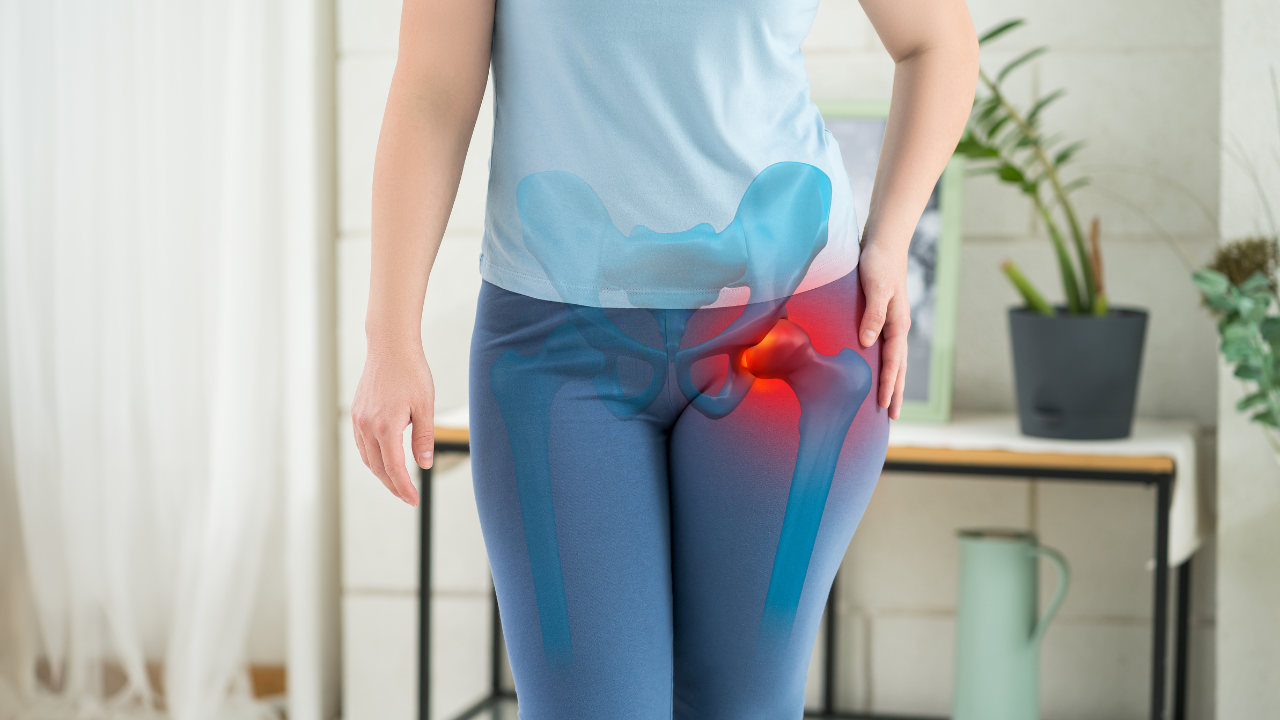
Hip pain is a common complaint, especially in older adults, and it can result from a variety of causes, including osteoarthritis, hip fractures, bursitis, or tendonitis. The hip joint is a ball-and-socket joint that connects the femur (thigh bone) to the pelvis. This joint is designed for movement and bears a significant portion of the body’s weight. When the hip joint or surrounding structures are injured or inflamed, it can lead to hip pain that affects daily activities such as walking, climbing stairs, or even sleeping.
Hip pain can be localized to the hip joint itself or refer pain to the groin, thighs, or lower back. It may be sharp or dull, and the pain is often exacerbated by movement or weight-bearing activities.
Symptoms of Hip Pain:
- Pain in the groin or thigh: Often felt deep inside the hip joint.
- Pain during walking or weight-bearing activities: Hip pain is typically aggravated by walking, climbing stairs, or standing for long periods.
- Stiffness: Difficulty moving the hip joint or performing activities like bending, squatting, or getting in and out of a chair.
- Pain at night: Many people with hip pain experience discomfort when lying down, especially on the affected side.
- Limited range of motion: Difficulty rotating or moving the hip joint.
Key Differences Between Sacroiliac Joint Pain and Hip Pain
While both sacroiliac joint pain and hip pain can cause discomfort in the lower body, they are distinct conditions with different causes and symptoms. Understanding these differences can help in obtaining the right diagnosis and treatment.
Location of Pain
- Sacroiliac Joint Pain: The pain is typically felt in the lower back, buttocks, and the back of the thighs. It can also radiate to the groin but is usually localized to one side of the body.
- Hip Pain: The pain is typically felt in the hip joint, with deep, aching pain in the groin, thigh, or buttocks. The pain may radiate outward from the hip and can affect the entire leg.
Pain Characteristics
- Sacroiliac Joint Pain: The pain may worsen with certain movements such as sitting for long periods, bending, or lifting. It often feels like a sharp or stabbing pain in the lower back or buttocks, especially during or after physical activities. It can sometimes feel like hip pain but tends to stay more focused on the lower back and pelvis area.
- Hip Pain: Hip pain tends to feel like a deep ache in the hip, groin, or thigh. It may be dull or sharp, depending on the cause. The pain is often aggravated by walking, climbing stairs, or getting in and out of a chair.
Causes and Contributing Factors
- Sacroiliac Joint Pain: This condition is often caused by injury, pregnancy-related changes, degenerative conditions, or misalignment in the sacroiliac joint. Inflammation, infection, or joint degeneration can also contribute to SI joint pain.
- Hip Pain: The most common causes of hip pain include osteoarthritis, hip fractures, tendinitis, or bursitis. Age, activity level, and trauma to the hip joint can increase the risk of hip pain, particularly in older adults.
Aggravating Factors
- Sacroiliac Joint Pain: Sitting for extended periods, bending, and lifting heavy objects can exacerbate pain. Certain positions may also cause discomfort, especially during sleep or while getting in and out of a vehicle.
- Hip Pain: Walking, climbing stairs, prolonged sitting, or lying on the affected side can aggravate hip pain. Weight-bearing activities tend to worsen symptoms, especially in those with arthritis.
Diagnosis of Sacroiliac Joint Pain vs. Hip Pain
Proper diagnosis is essential for effective treatment. A physician will conduct a physical examination and may order imaging tests, such as X-rays, MRI scans, or CT scans, to identify the source of the pain.
- Sacroiliac Joint Pain Diagnosis: Your doctor may perform specific tests such as the FABER test, which involves positioning the leg in a particular way to provoke pain in the SI joint. X-rays or MRI can be used to check for inflammation or joint degeneration.
- Hip Pain Diagnosis: The physician will likely conduct flexion, extension, and rotation tests to assess the range of motion in the hip joint. X-rays or MRI may also be used to identify joint damage, fractures, or inflammation in the hip.
Treatment Options for Sacroiliac Joint Pain and Hip Pain
Both conditions are treated with a range of non-surgical and surgical interventions, depending on severity.
Treatments for Sacroiliac Joint Pain:
- Physical Therapy: Exercises to strengthen the muscles around the SI joint and improve mobility.
- Medications: Anti-inflammatory medications, muscle relaxants, and pain relievers.
- Corticosteroid Injections: Injected directly into the SI joint to reduce inflammation and relieve pain.
- Radiofrequency Ablation: A minimally invasive procedure that uses heat to target and disable the nerves responsible for pain.
- Surgery: In severe cases, SI joint fusion may be considered to stabilize the joint.
Treatments for Hip Pain:
- Physical Therapy: Focused on strengthening the hip muscles and improving flexibility.
- Medications: Pain relievers such as NSAIDs or acetaminophen.
- Injections: Corticosteroid injections or hyaluronic acid injections to reduce pain and inflammation.
- Hip Replacement: In cases of severe arthritis or joint damage, a total hip replacement may be necessary.
Conclusion
While sacroiliac joint pain and hip pain can cause similar discomfort in the lower body, they are distinct conditions with different causes and symptoms. Understanding the differences between the two is crucial for accurate diagnosis and treatment. Whether you’re experiencing pain in the lower back, buttocks, or groin, seeking medical advice early on can help determine the source of the pain and ensure that you receive the most appropriate care.
If you’re suffering from sacroiliac joint pain or hip pain, Vertex Pain Physicians specializes in providing non-surgical pain management solutions tailored to your needs. Contact us or schedule an appointment today to discuss how we can help you manage your pain and restore your quality of life.
Frequently Asked Questions (FAQs)
1. What causes sacroiliac joint pain?
Sacroiliac joint pain can be caused by injuries, misalignment, degeneration, or inflammation in the SI joint.
2. How can I tell if my pain is coming from my SI joint or my hip?
The pain from sacroiliac joint pain is typically felt in the lower back, buttocks, and thighs, while hip pain is usually felt deep in the groin or hip joint.
3. How is sacroiliac joint pain treated?
Treatment for sacroiliac joint pain may include physical therapy, medications, injections, or in severe cases, surgery.
4. What causes hip pain?
Hip pain can result from arthritis, fractures, tendinitis, or bursitis in the hip joint.
5. Can physical therapy help with both sacroiliac joint and hip pain?
Yes, physical therapy can help manage both sacroiliac joint and hip pain by strengthening muscles, improving flexibility, and enhancing joint function.
Disclaimer
The content provided in this blog is for informational purposes only and should not be considered as medical advice. Please consult with your healthcare provider for personalized treatment plans.